- Home
- Products ...
- Flame Resistant Multi-Norm
- Coveralls
Coveralls
Multi-norm flame-retardant antistatic coveralls for welding, arc flash, petrochemical work and high visibility, in lightweight, stretch and women's versions.
37 modelli
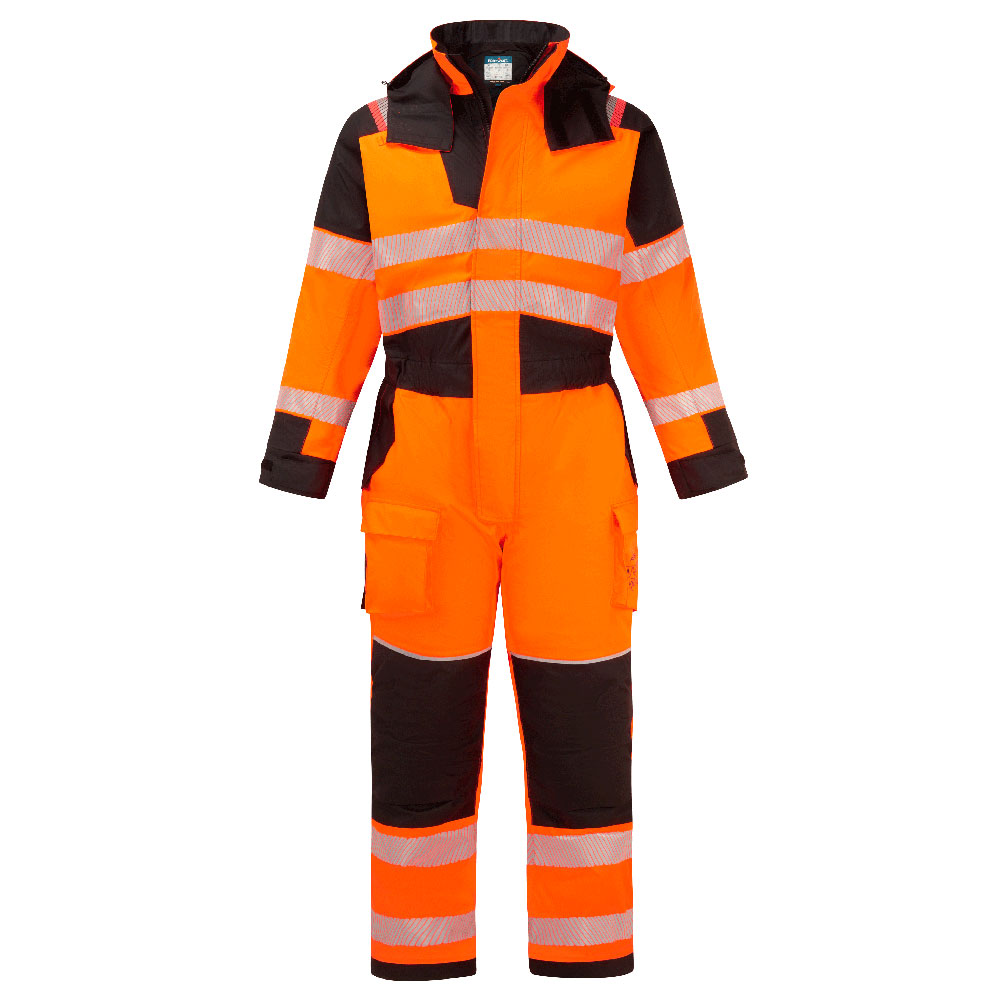
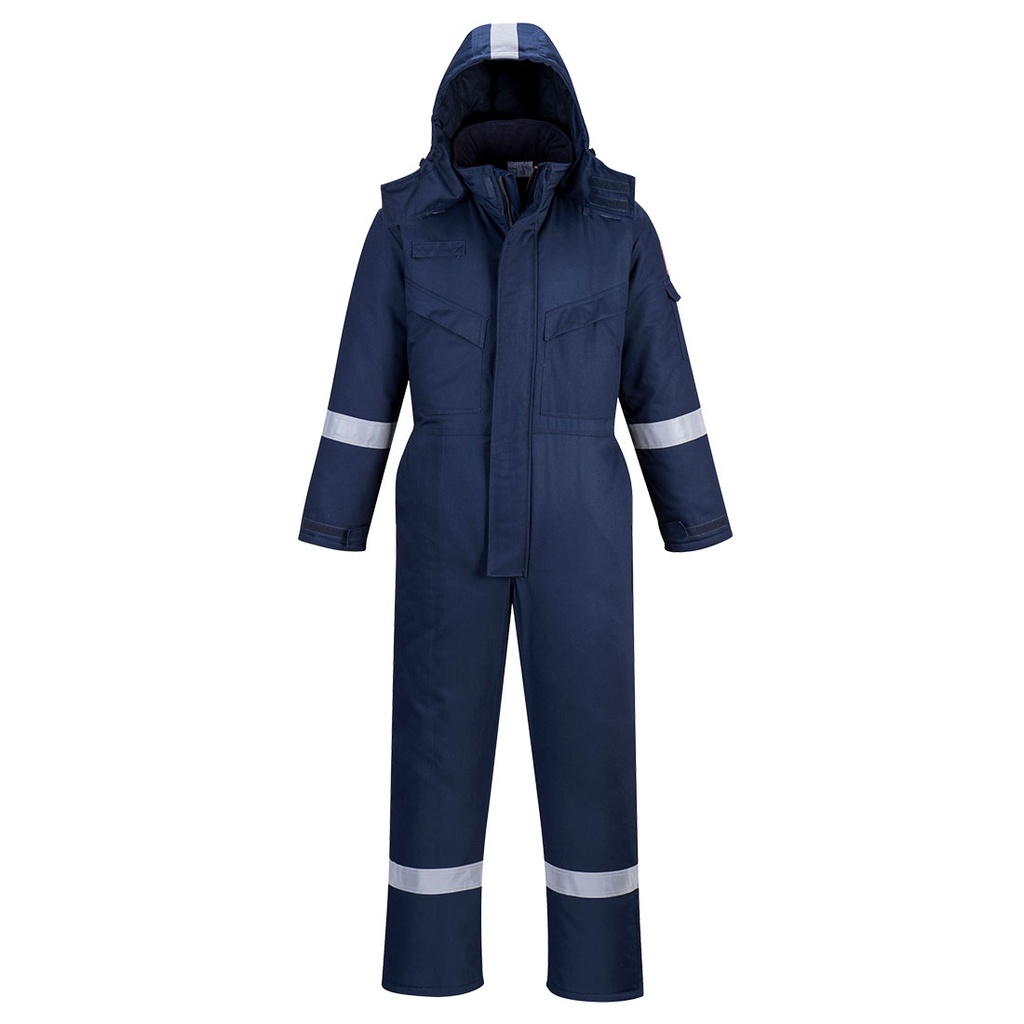
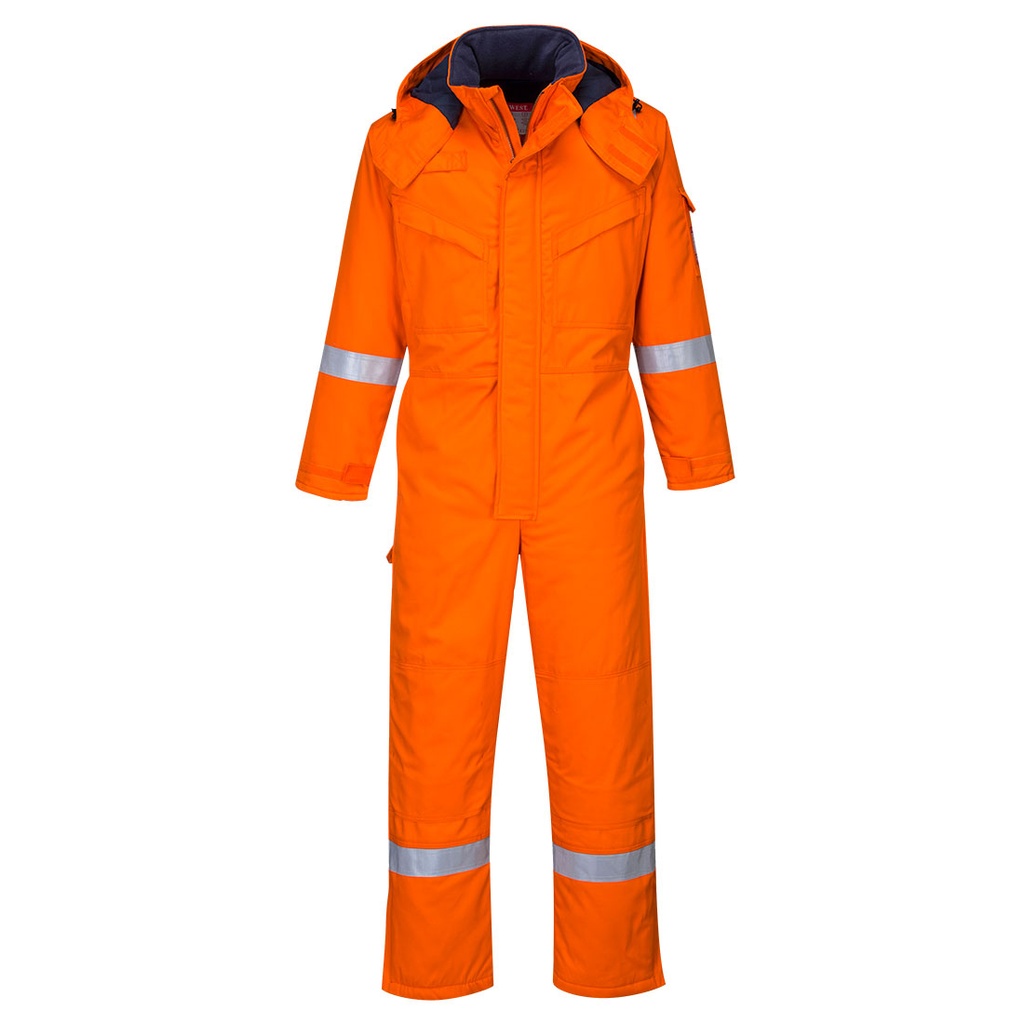
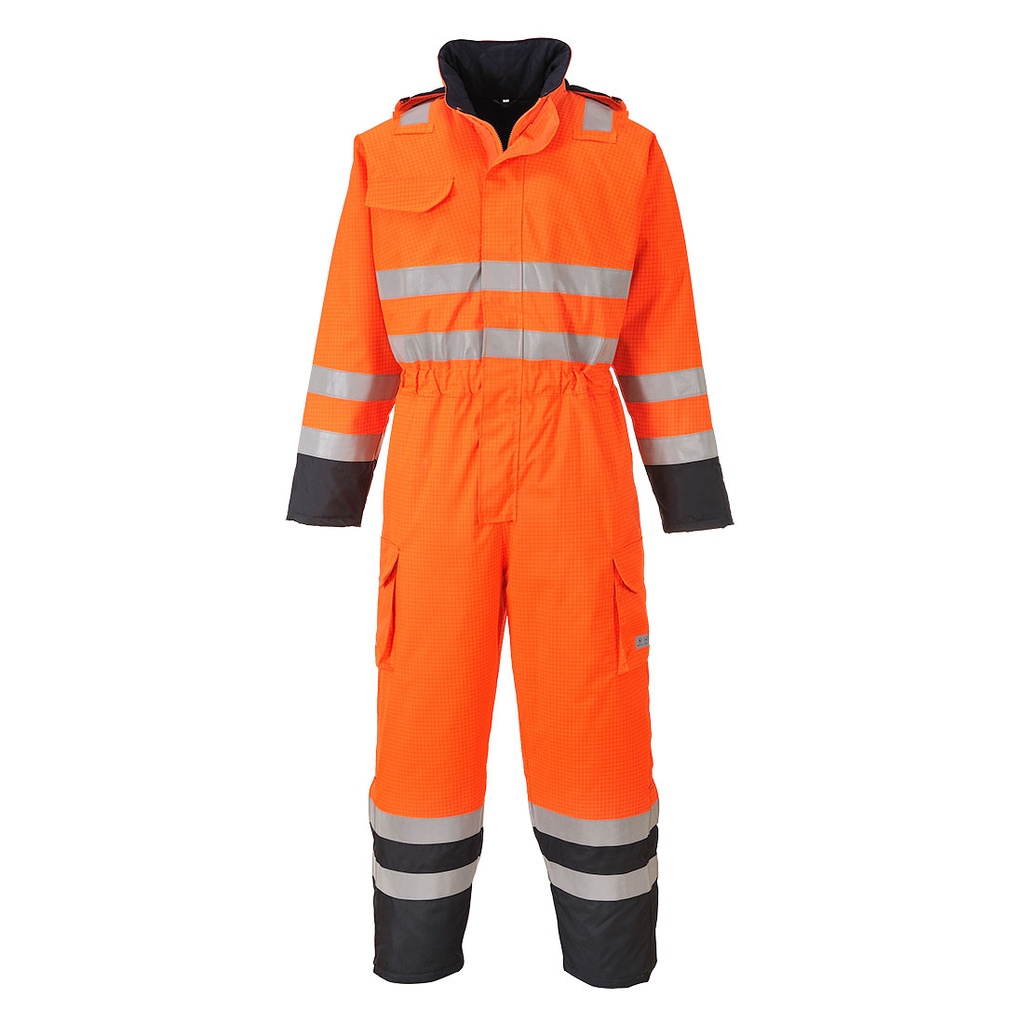
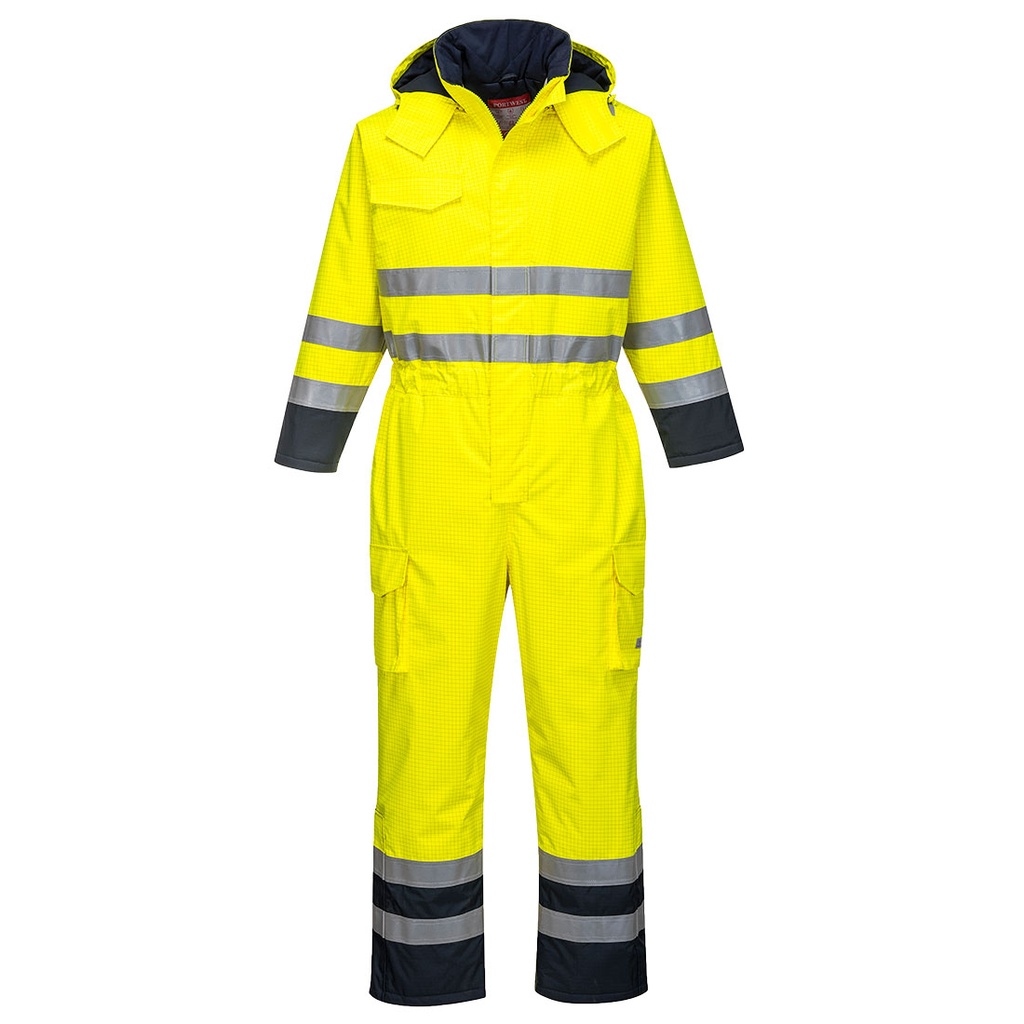
PW3 Modaflame Rain+ Hi-Vis Multi-Norm FR Winter Coverall
Bizflame Work FR Coverall – Arc Rated 19 cal/cm²
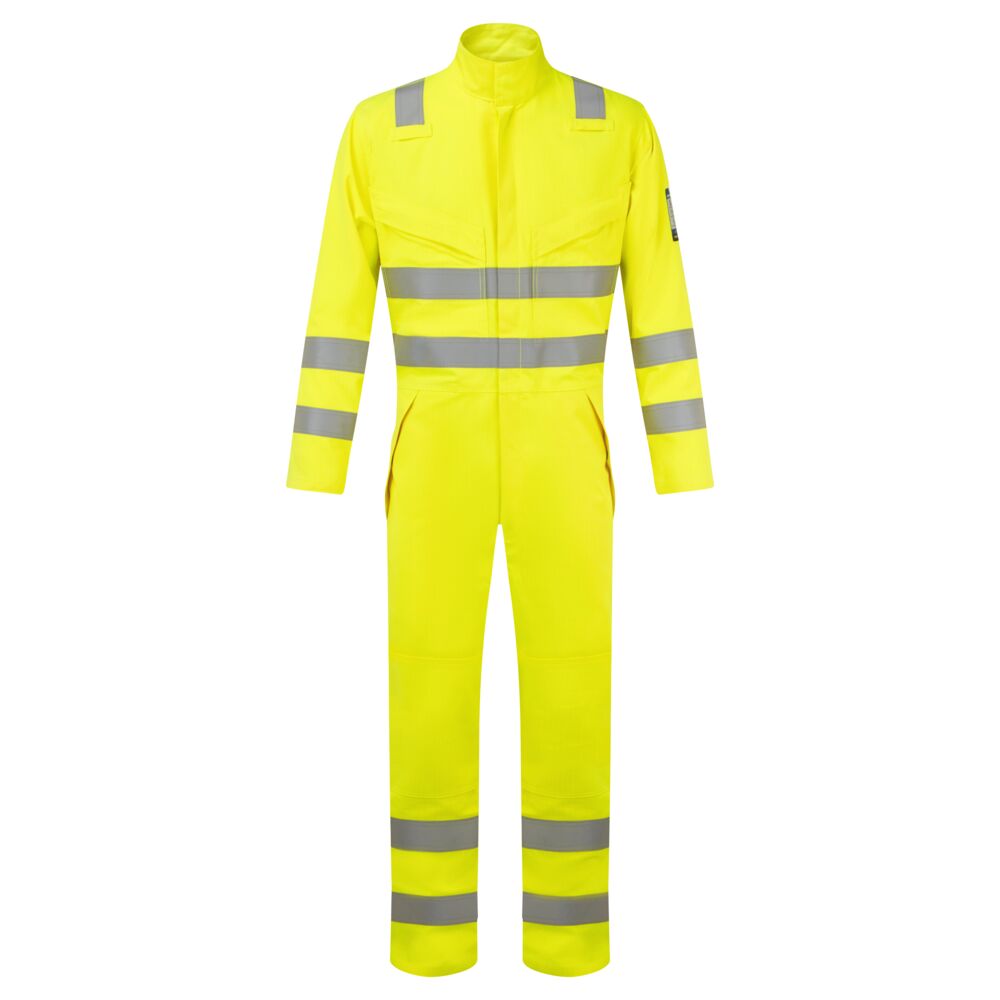
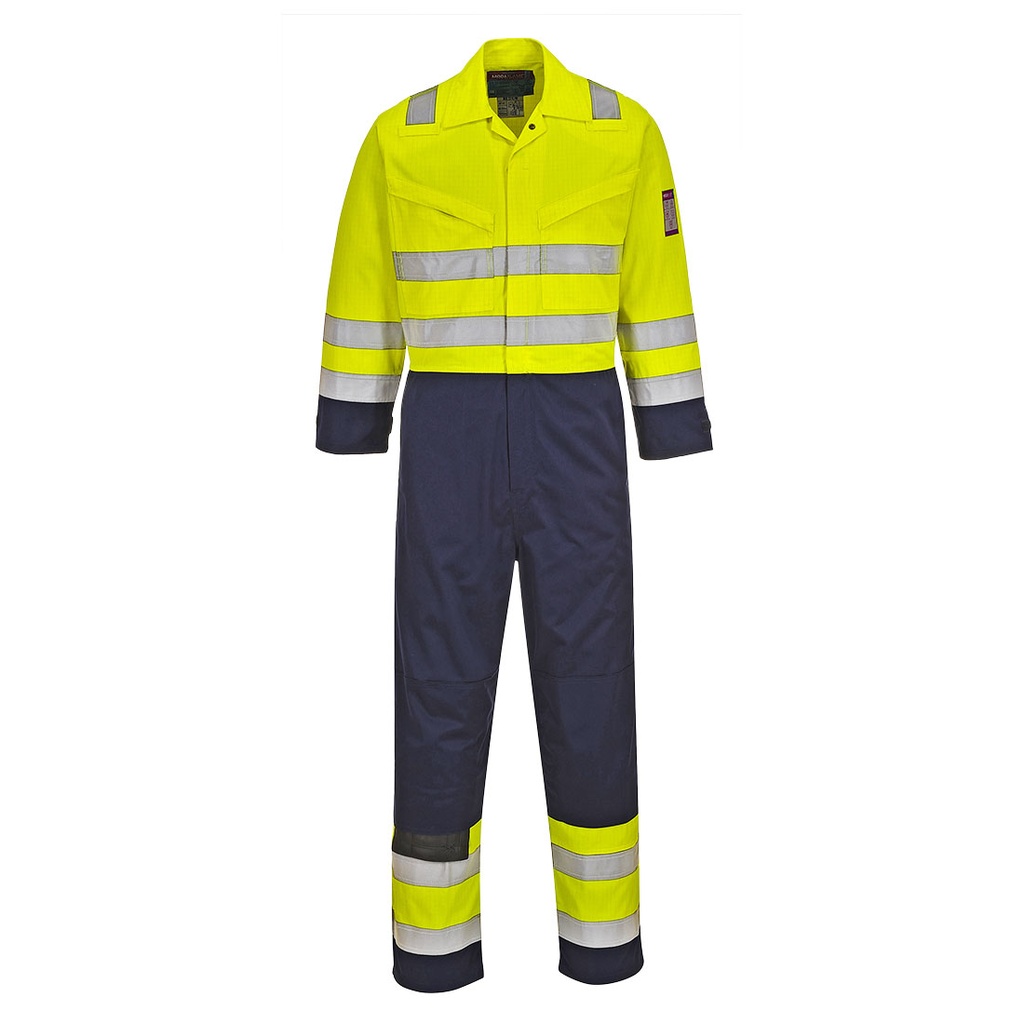
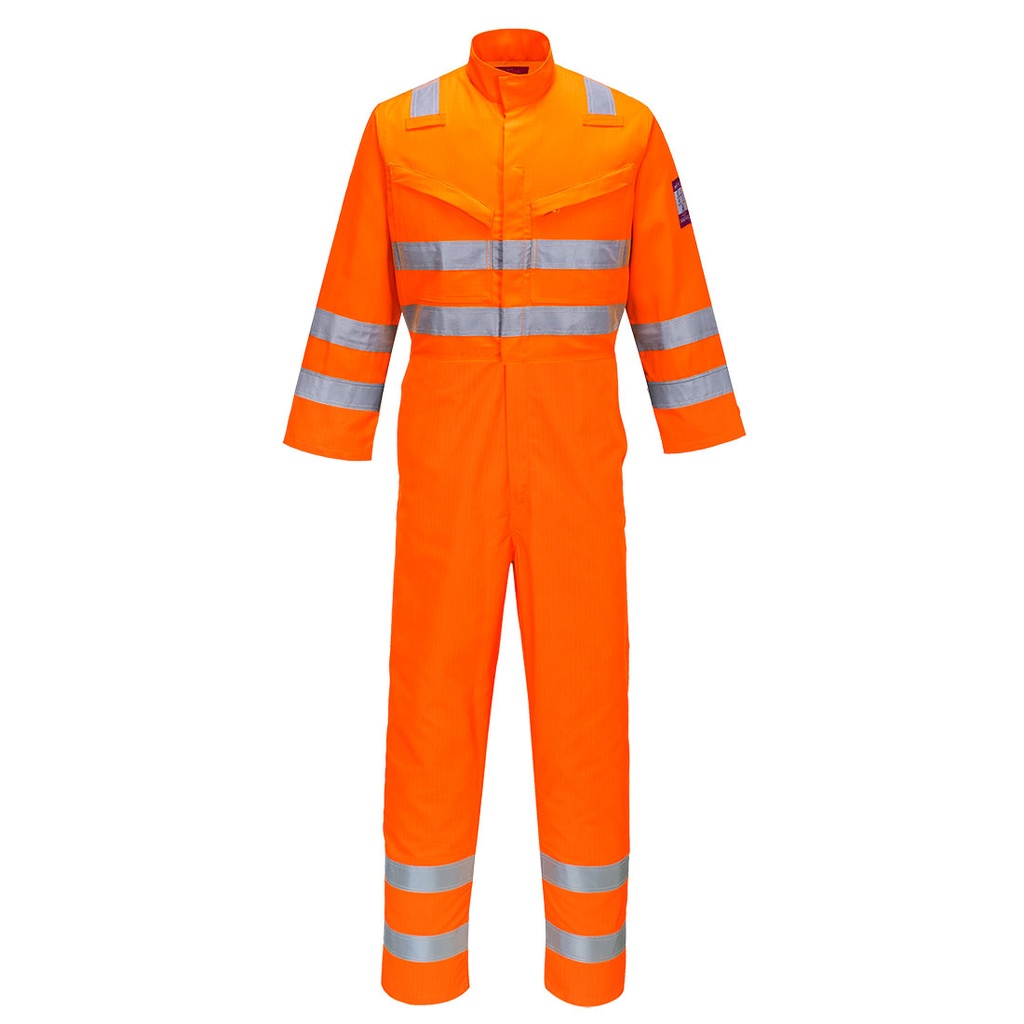
Modaflame Work Hi-Vis Multi-Norm FR Coverall
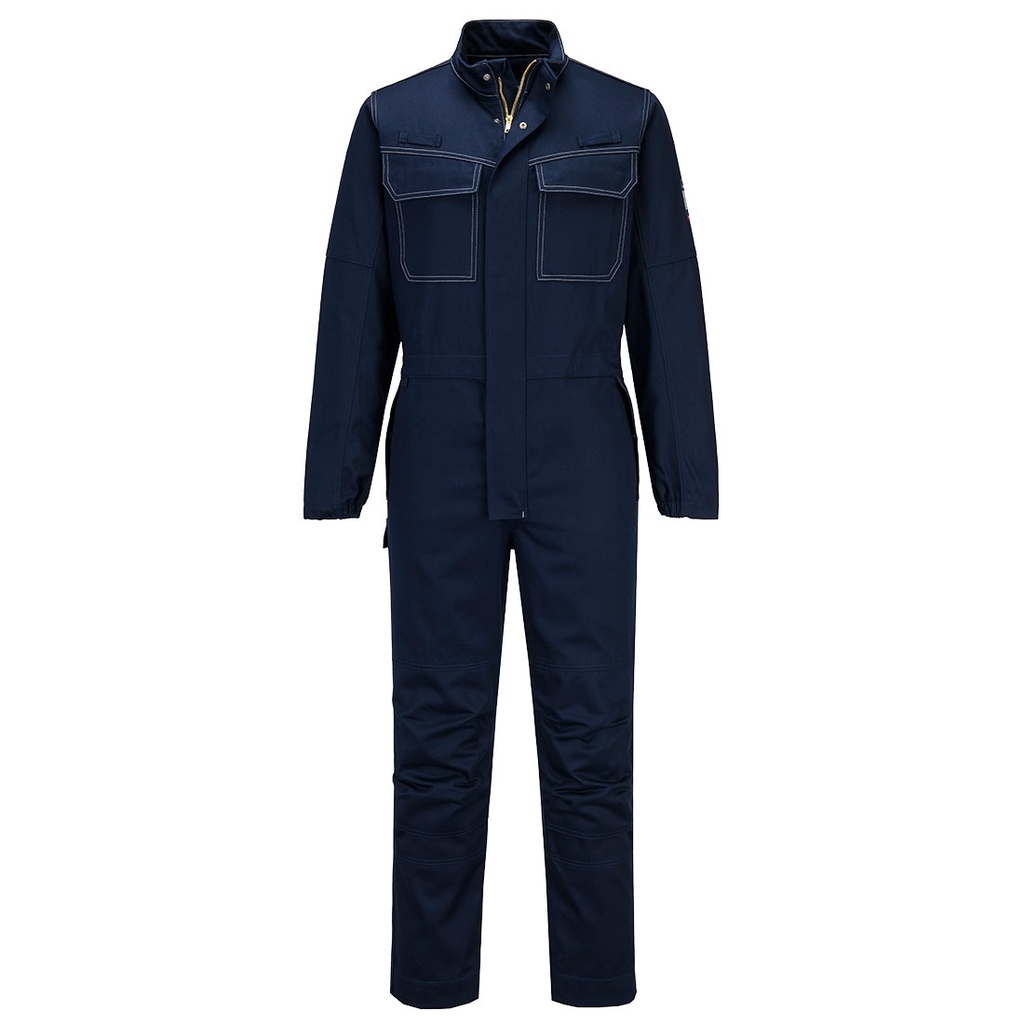
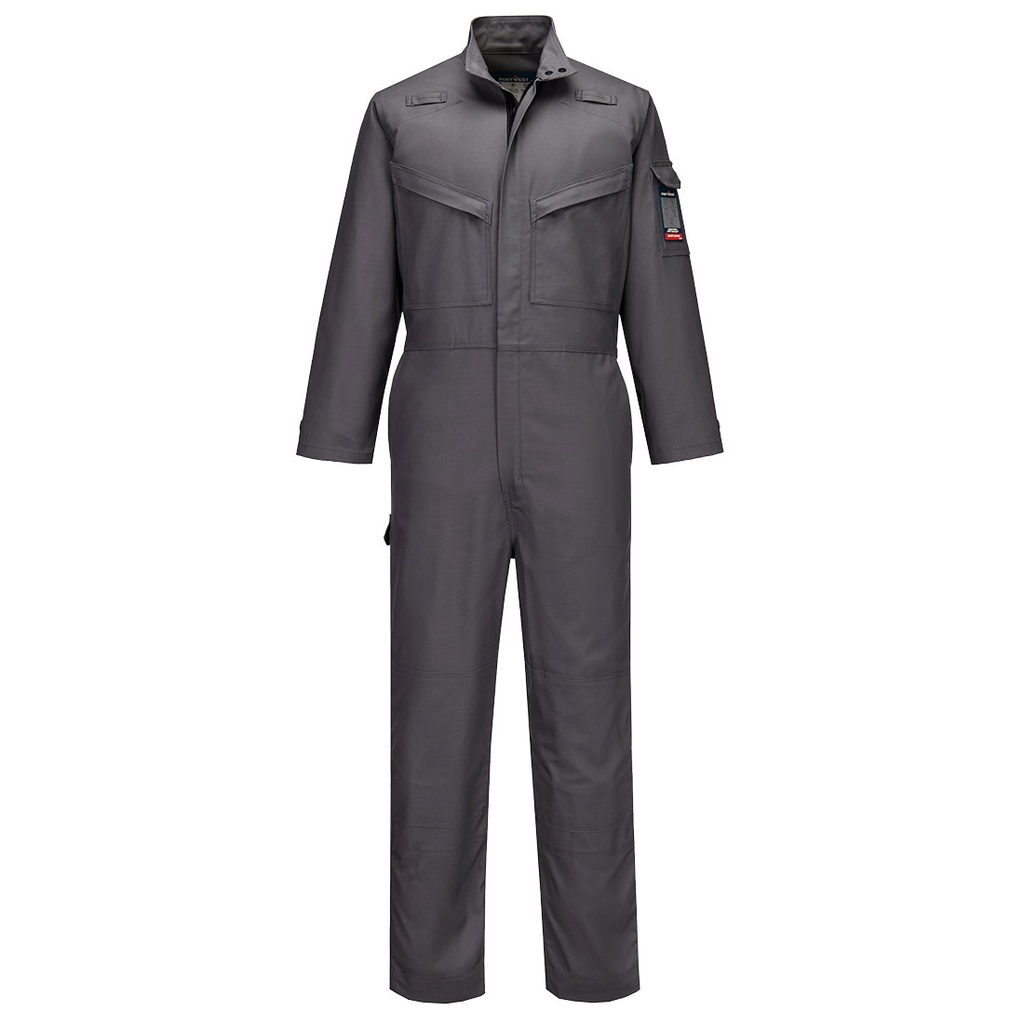
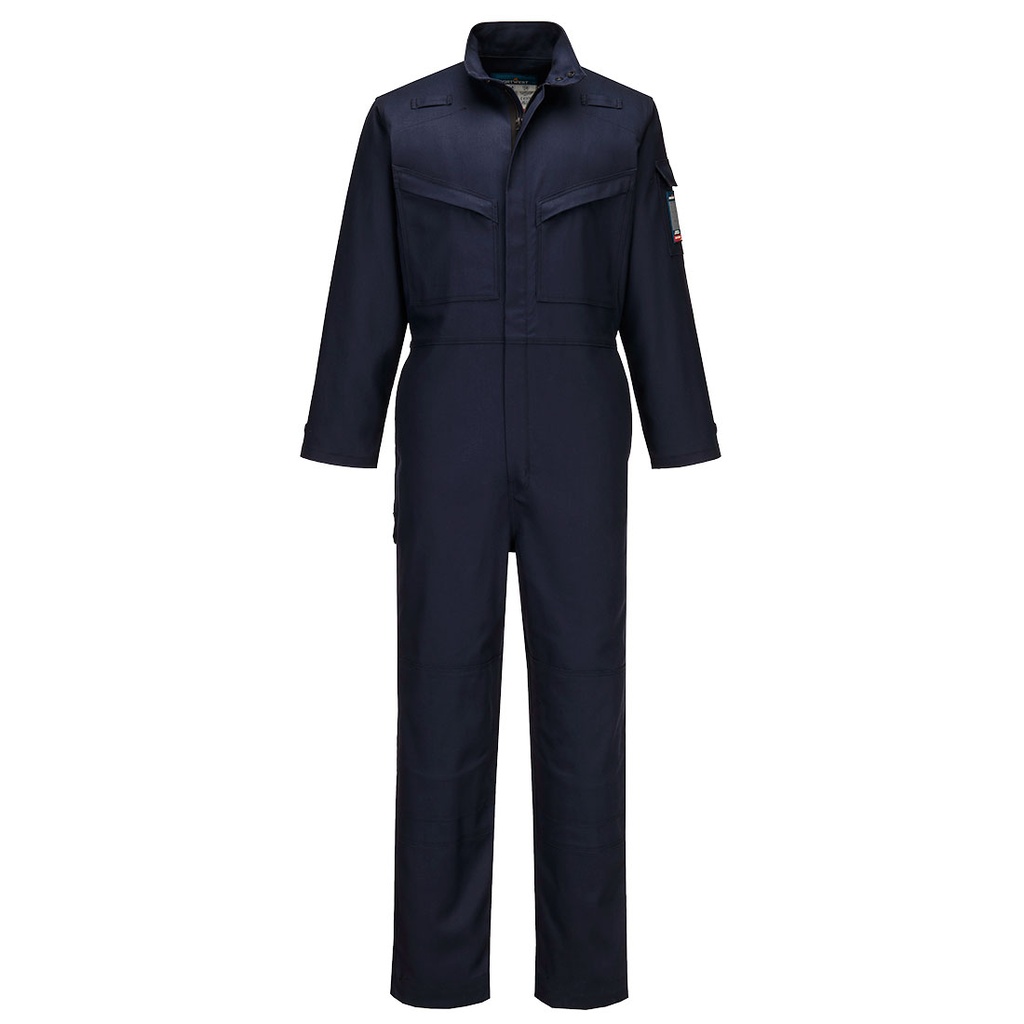
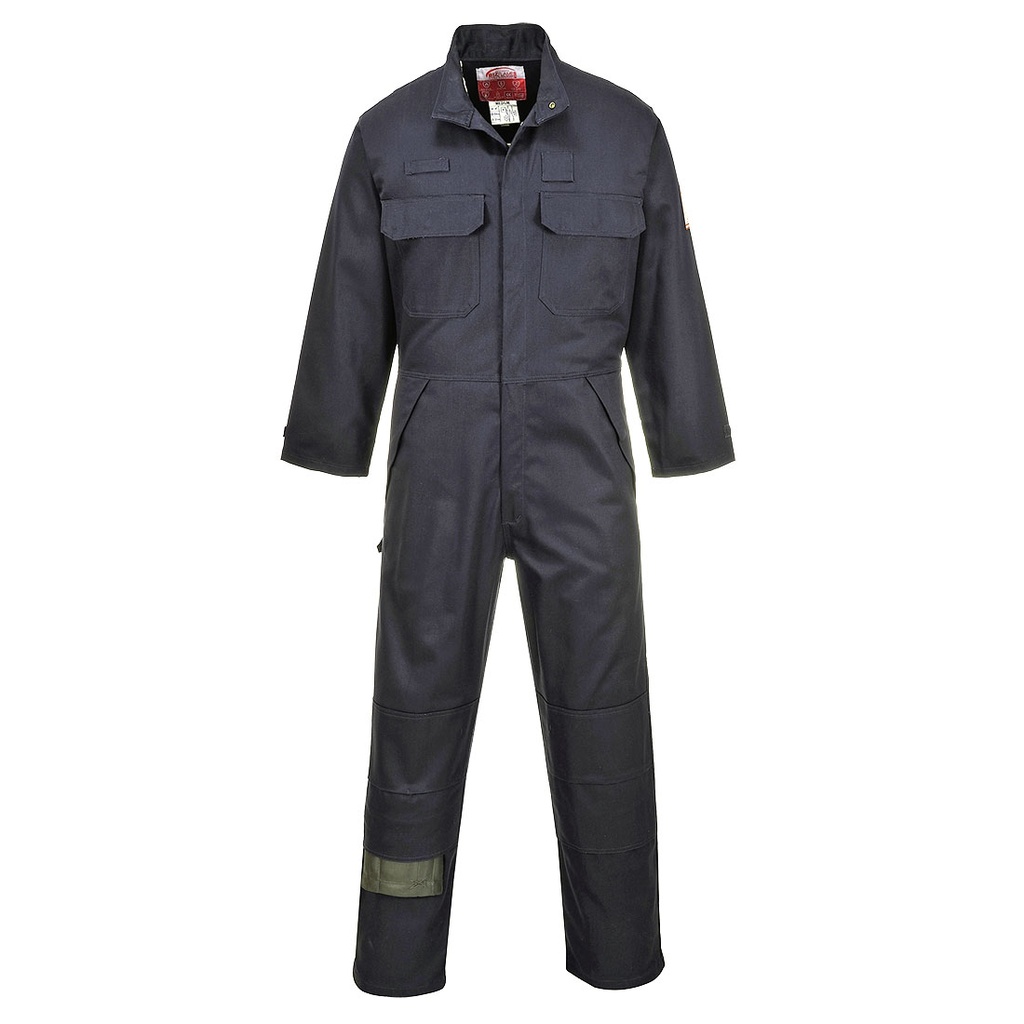
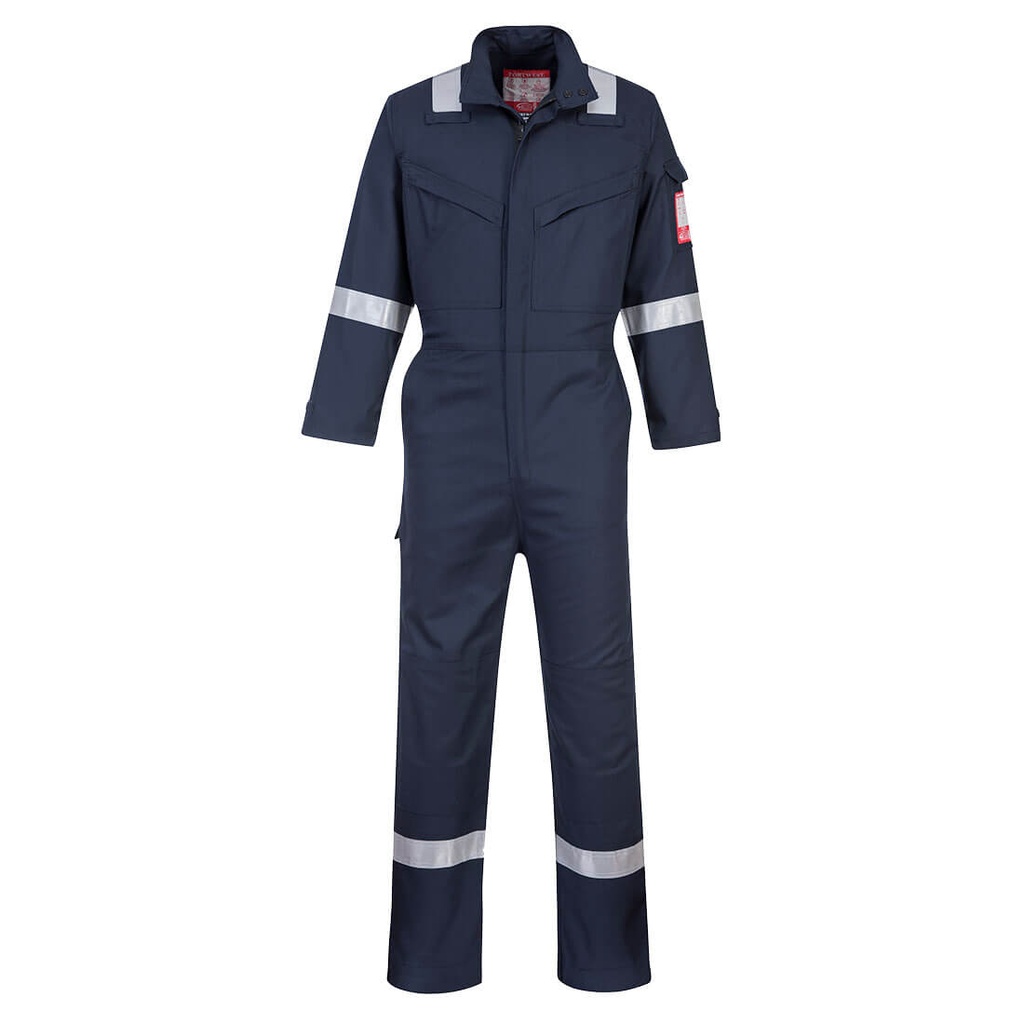
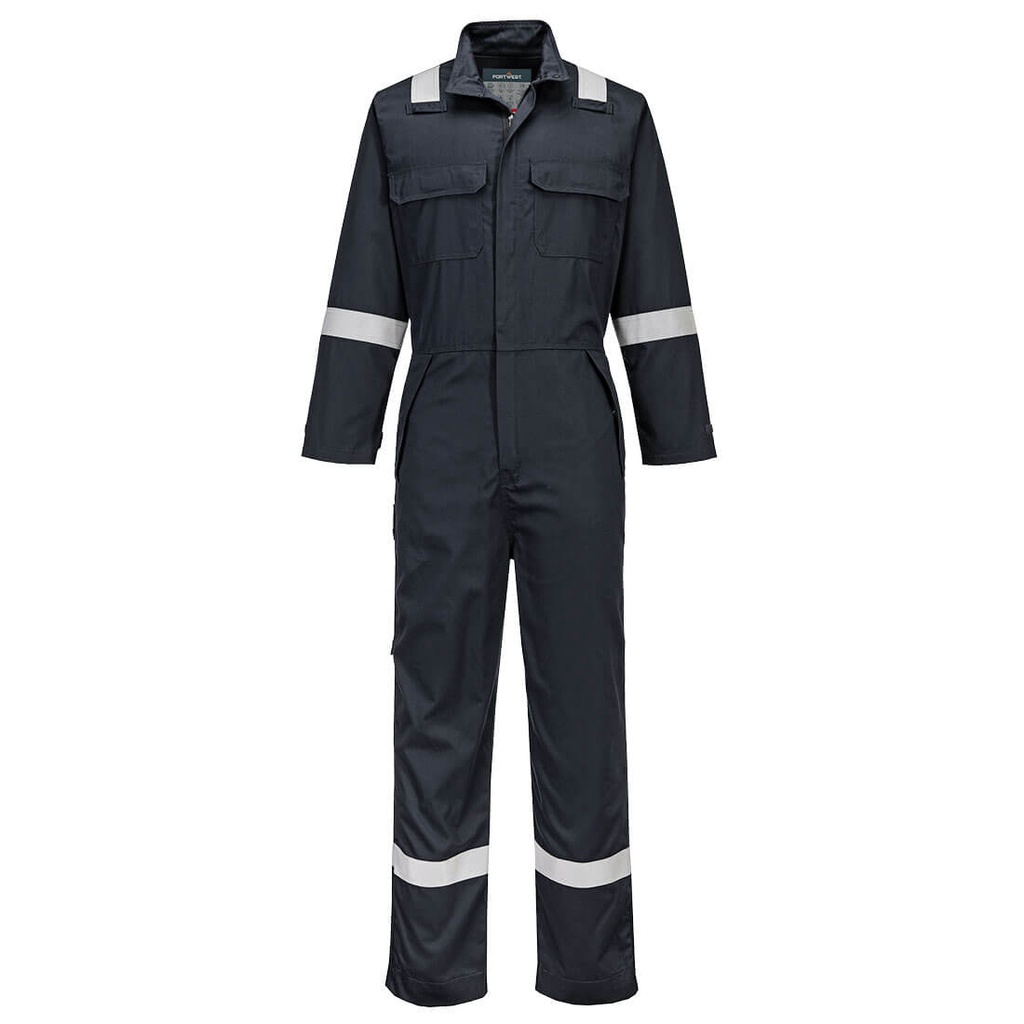
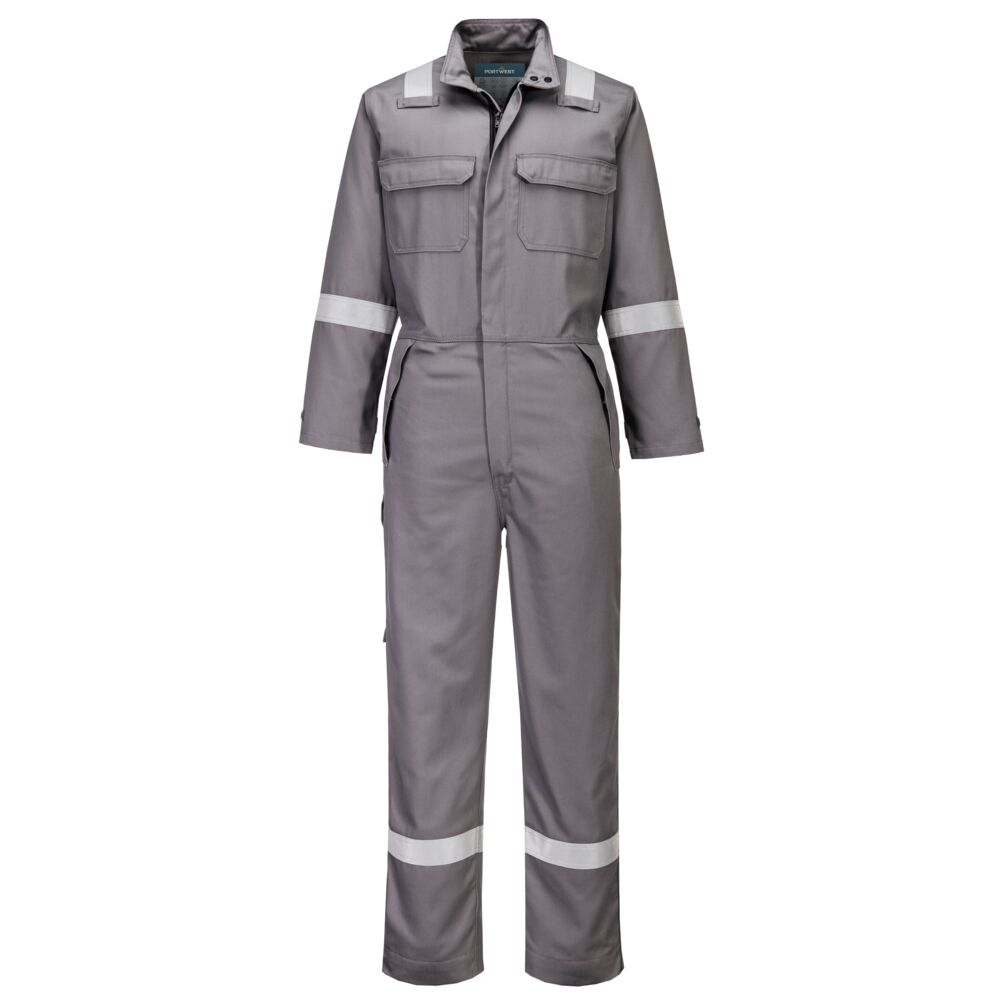
Bizflame Industry FR Coverall – Grey or Navy
Bizflame Work FR Insulated Coverall
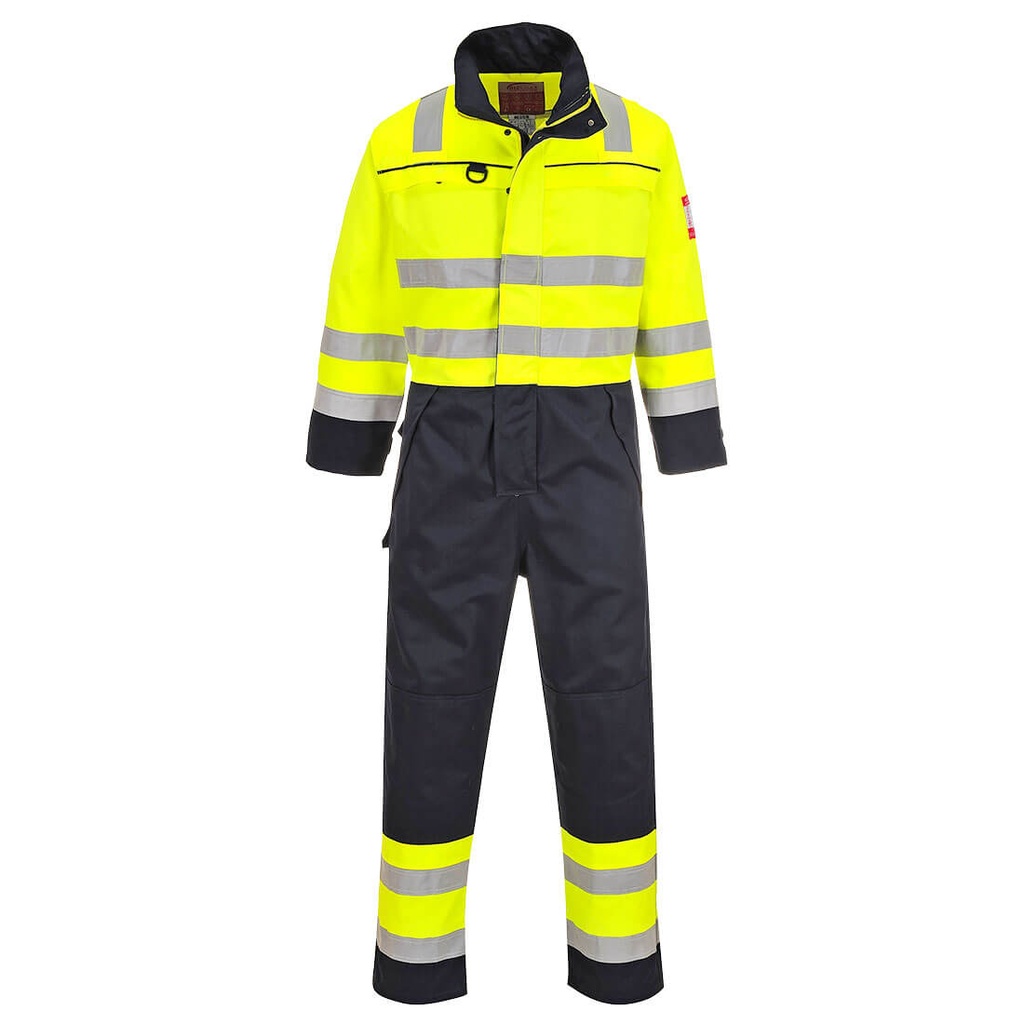
Bizflame Work Hi-Vis Multi-Norm Contrast FR Coverall
Bizflame Work+ Multi-Norm FR Coverall – Petrochemical
Bizflame Work Hi-Vis FR Coverall – Class 3
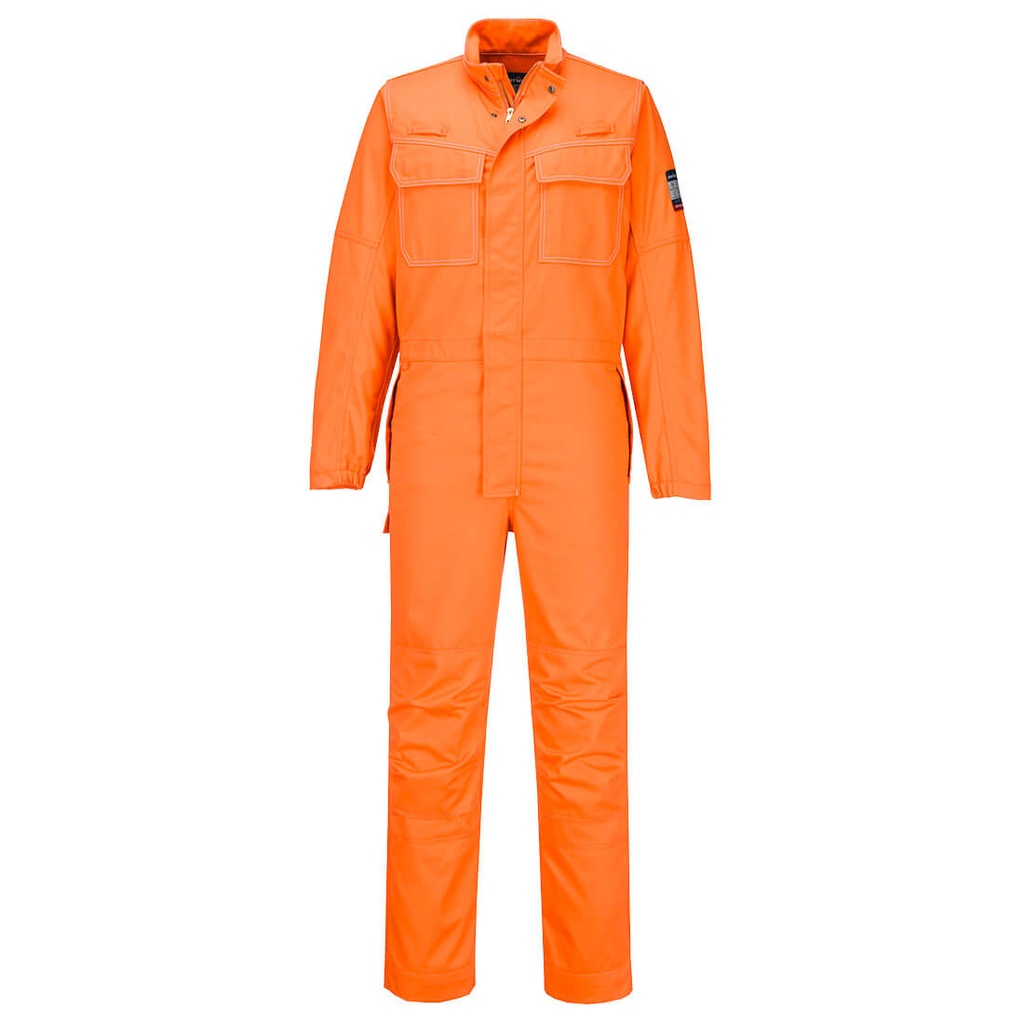
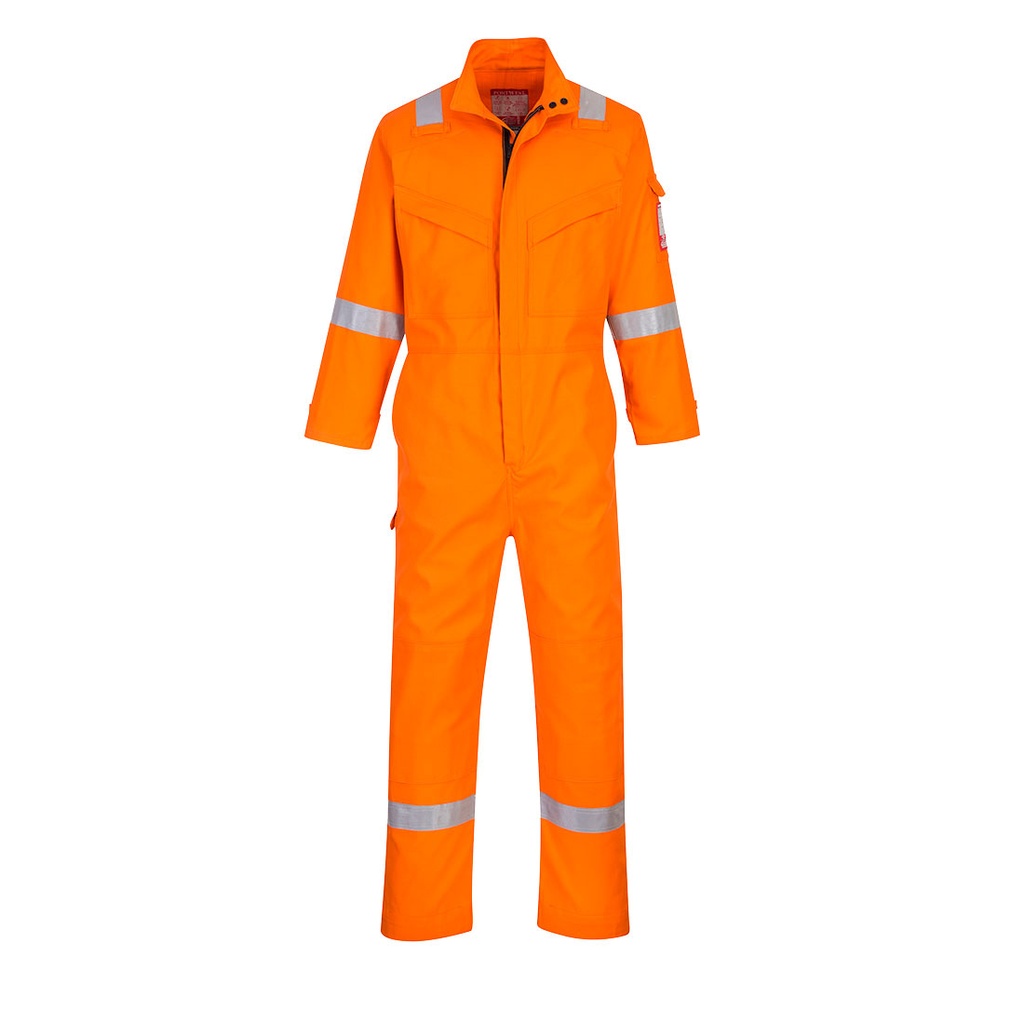
Bizflame Industry FR Coverall – Navy or Orange
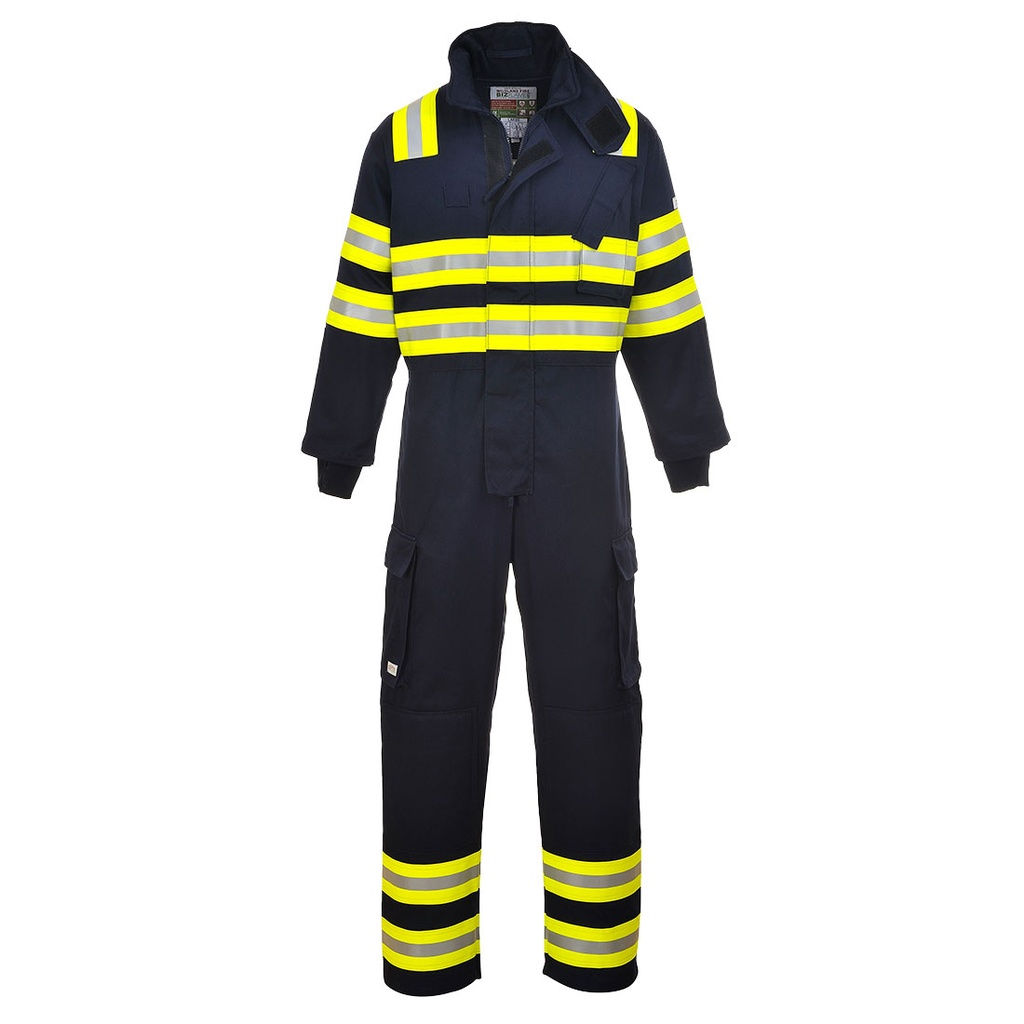
Wildland Fire FR Coverall
Modaflame Work Hi-Vis Multi-Norm Contrast FR Coverall
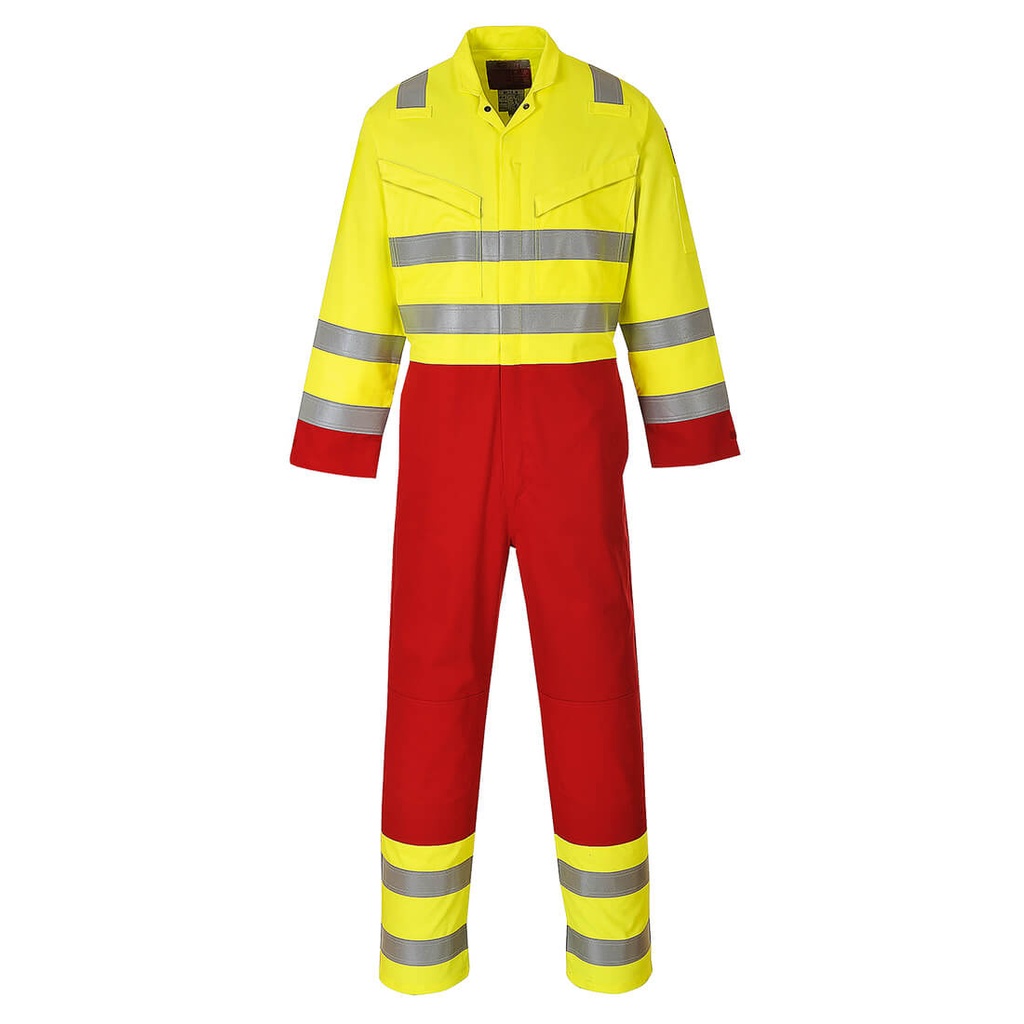
Modaflame Work HVO Multi-Norm Contrast Coverall
Modaflame Work HVO Multi-Norm FR Coverall
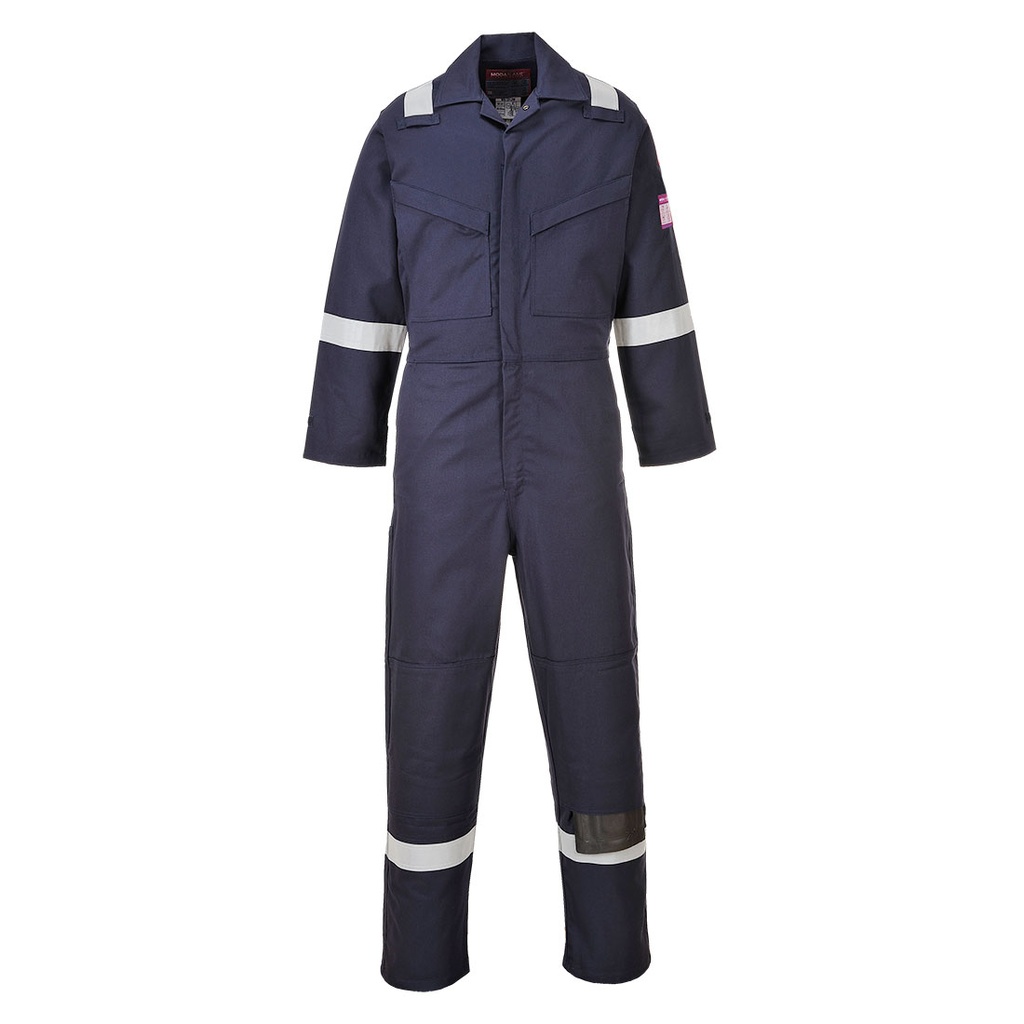
Modaflame Work FR Coverall
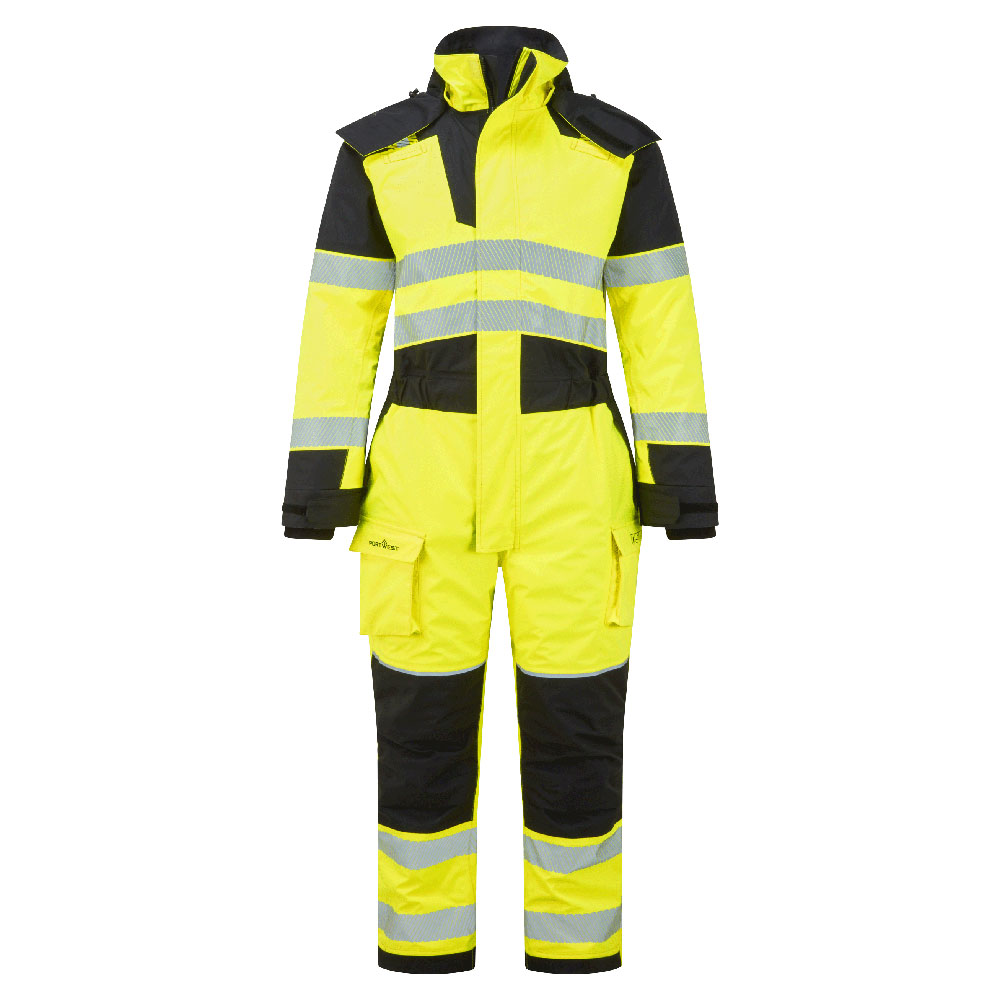
Bizflame Rain Hi-Vis FR Winter Coverall
Multi-norm flame-retardant work coveralls
The flame-retardant coverall is the most complete protection: a single garment with no gap between torso and legs. Almost all models are certified to EN ISO 11612 for heat and flame, with a range of additional standards depending on the application.
Standards and classes in plain English
- EN ISO 11612: codes A to F indicate flame spread, convective heat, radiant heat, molten metal splash and contact heat.
- EN ISO 11611: welding in Class 1 (little spatter) or Class 2 (more demanding work).
- EN 61482: electric arc in class APC 1 or APC 2.
- EN 1149-5 antistatic, EN 13034 Type 6 for light chemical splashes.
- EN ISO 20471 Class 3 and EN 17353 for visibility, EN 342 and EN 343 on some models for cold and rain.
By sector
For welding, choose coveralls certified to EN ISO 11611 in the appropriate class; for petrochemicals, multi-norm models with chemical and antistatic protection; for electrical utilities, those with an APC class. There are also lightweight and stretch coveralls for hot climates and a coverall for wildland firefighting.
Pair with
Under the coverall wear flame-retardant T-shirts; for head and neck use the flame-retardant accessories. If you prefer two separate garments, see the flame-retardant trousers.
Domande frequenti
Flame-retardant coverall or jacket and trousers?
A coverall leaves no gap at the waist and is preferable for welding and wherever spatter could get between garments. A two-piece suit is more practical when only the top half needs to come off.
Which flame-retardant coverall for MIG or MAG welding?
You need a coverall certified to EN ISO 11611: for work with heavy spatter and high heat, Class 2 is recommended. The choice must be confirmed by the risk assessment.
How often should a flame-retardant coverall be replaced?
There is no fixed expiry: replace it if it is torn, holed, badly worn or contaminated with oils and flammable substances that cannot be removed, and always in line with the manufacturer's instructions.
How long does it take to receive flame-retardant coveralls?
Items in stock in Milan are dispatched within 24/48 working hours; for items in the European warehouse the product page shows availability and, if being restocked, the next arrival date.