- Home
- Products ...
- Work Gloves
- ESD Gloves
ESD Gloves
Antistatic gloves for ESD areas, electronics assembly and environments with an electrostatic charge risk: palm or fingertip coated, liners and cut-resistant models.
8 modelli
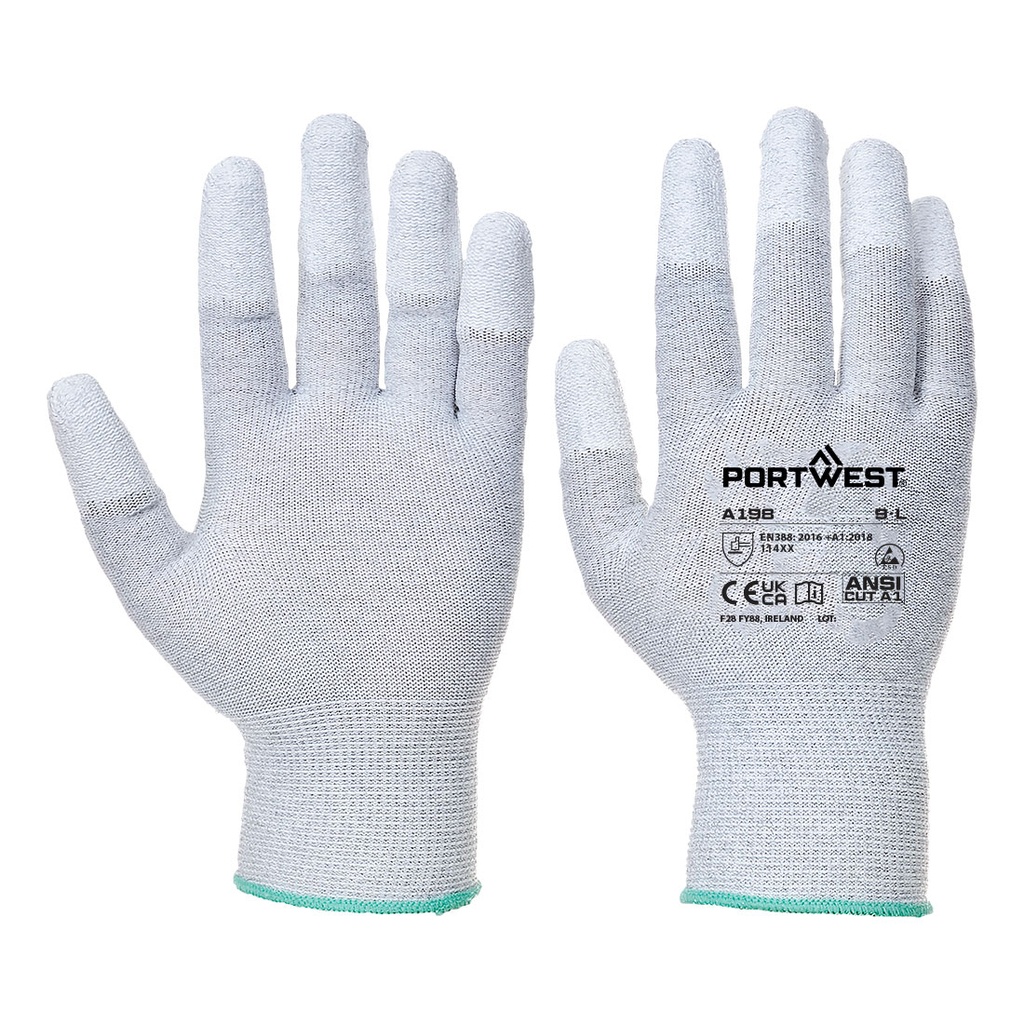
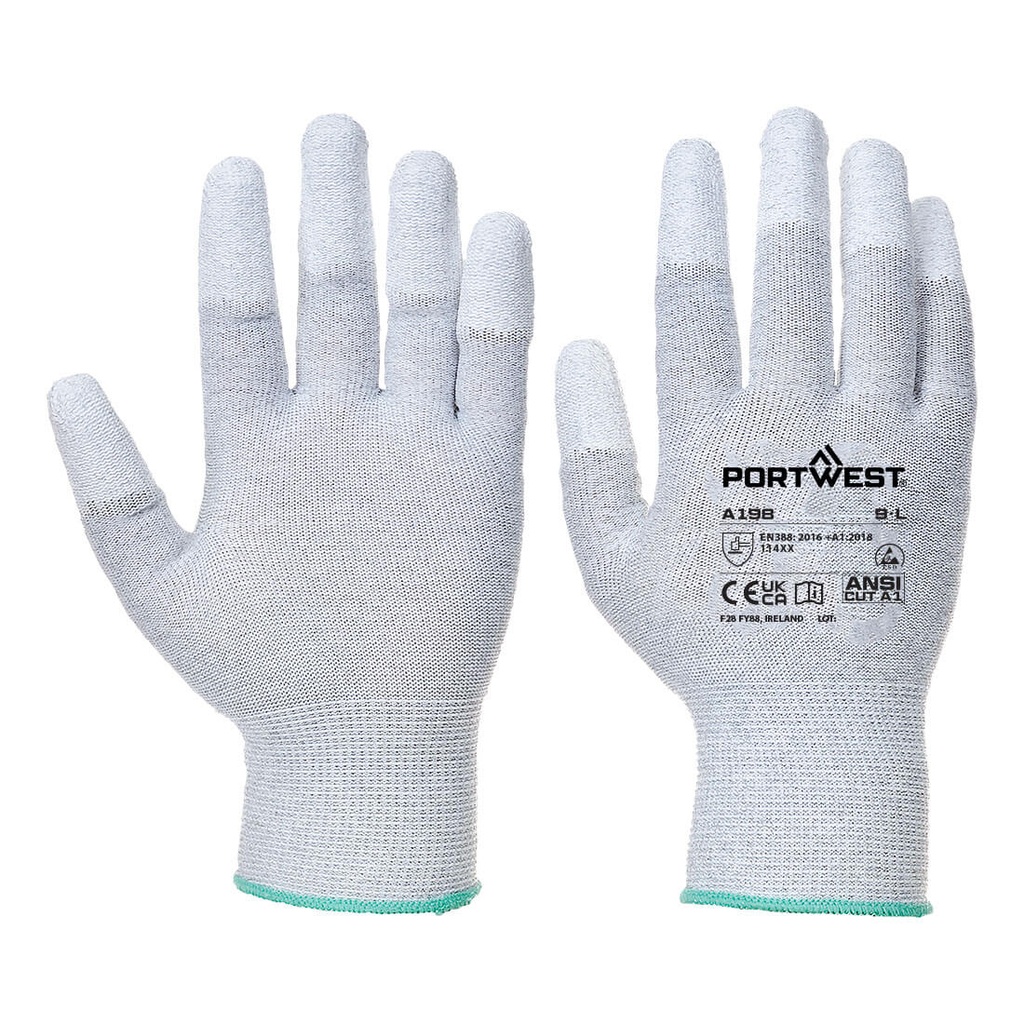
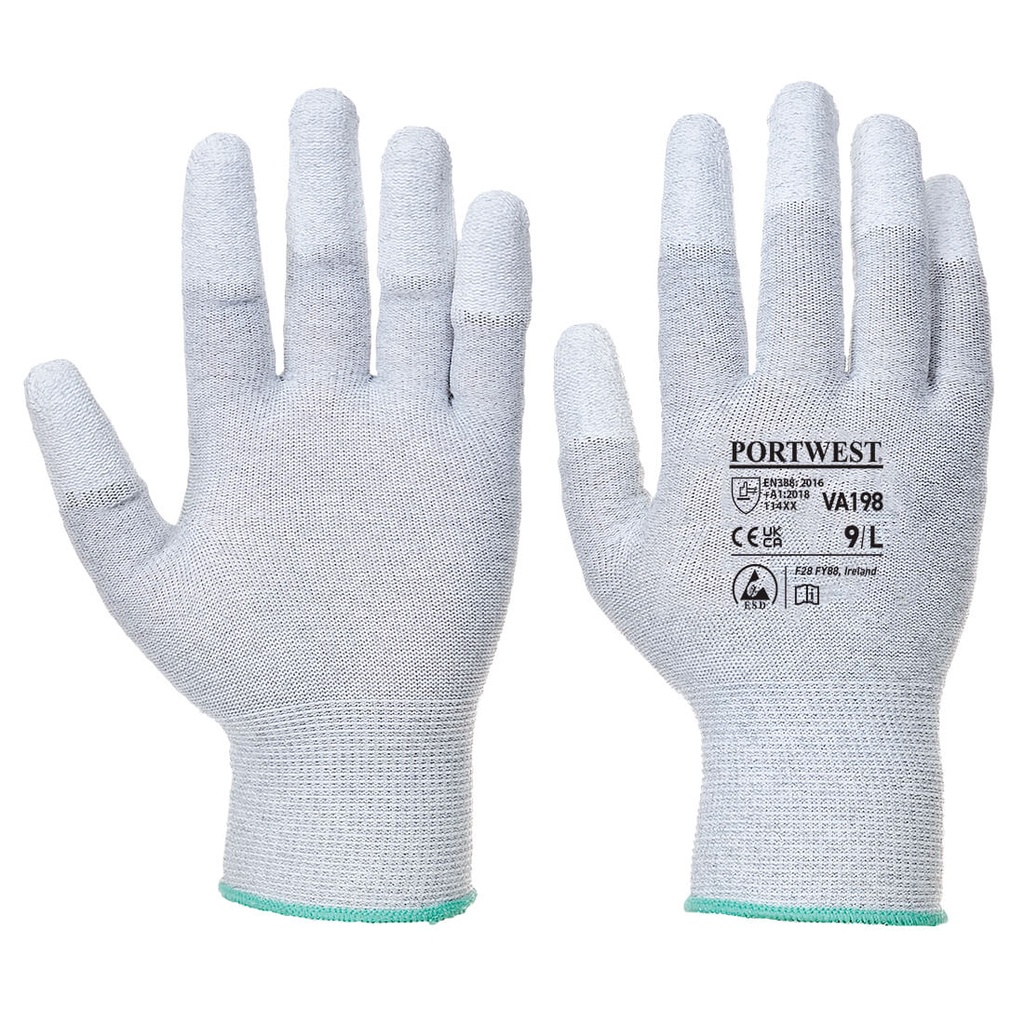
ESD 13 PU Fingertip Glove
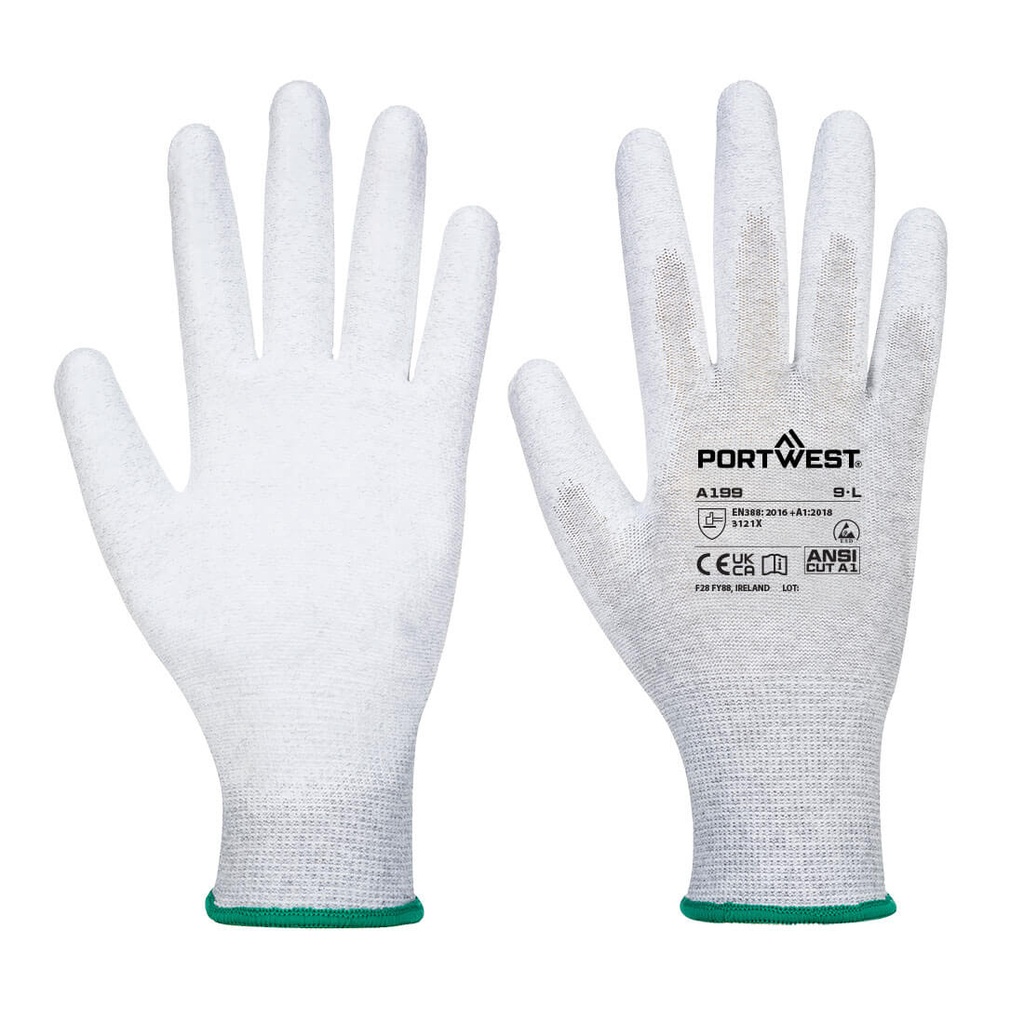
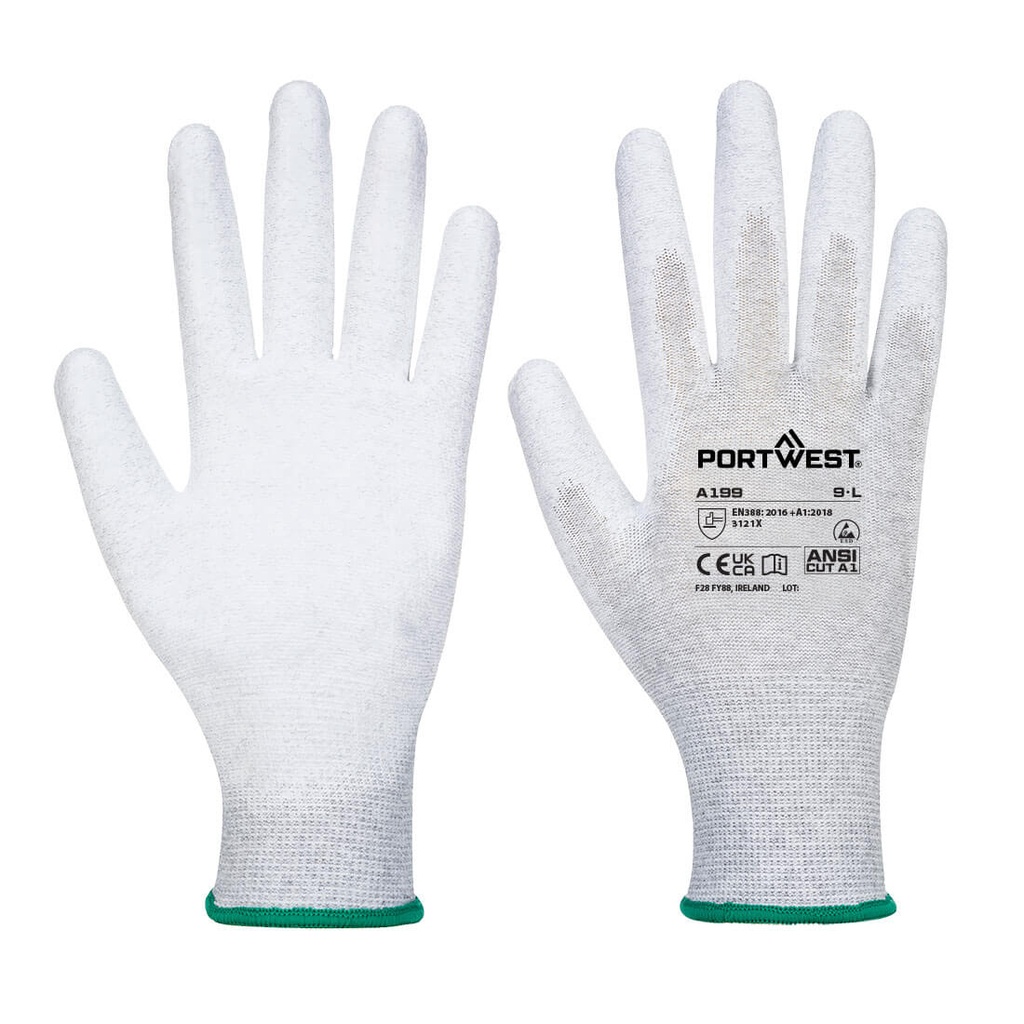
ESD 13 PU Palm Glove
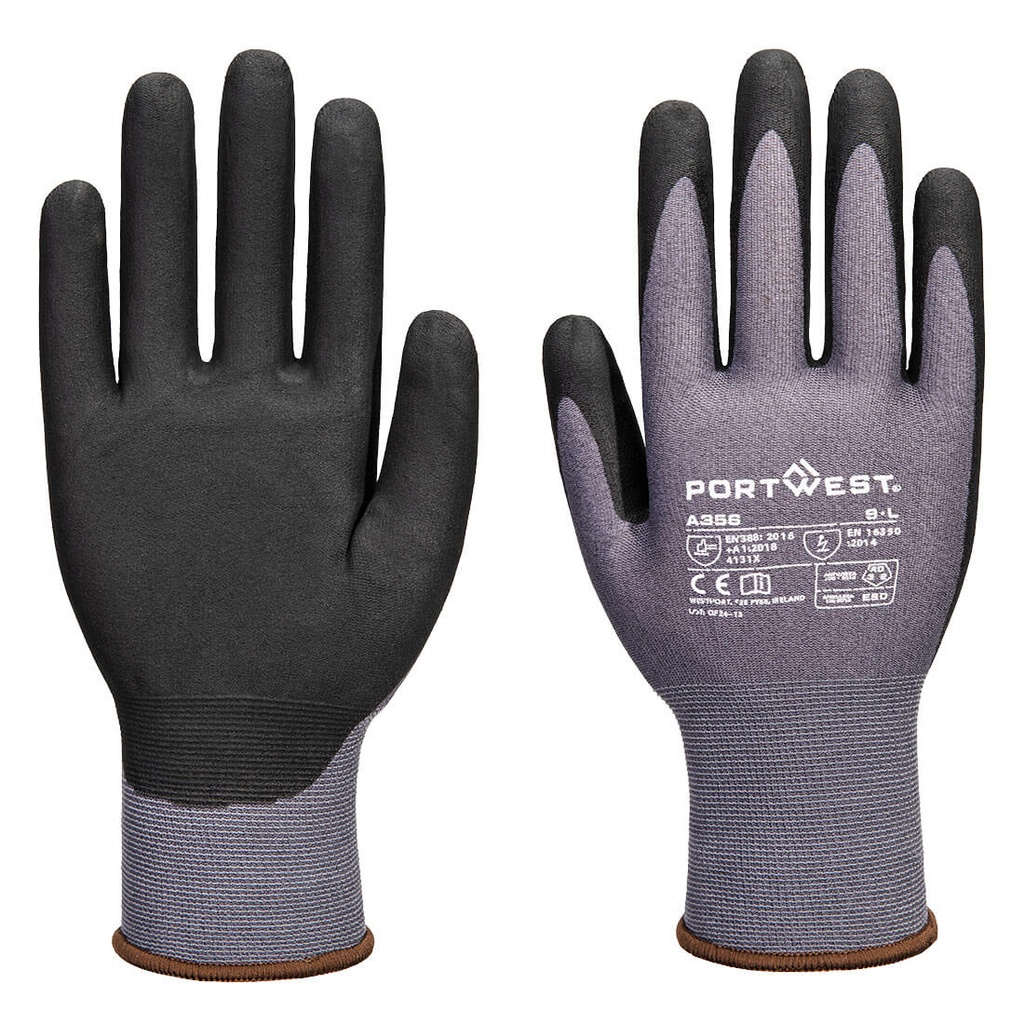
ESD 15 Nitrile Essential Glove (Pk12)
ESD Cut B13 PU Palm Glove (Pk12)
ESD 13 PU Fingertip Essential Multipack (Pk12)
ESD 13 PU Palm Essential Multipack (Pk12)
Vending ESD 13 PU Fingertip Glove
ESD antistatic gloves for electronics and assembly
Electrostatic discharges can damage circuit boards and components without leaving visible marks, or ignite flammable atmospheres. The gloves in this category dissipate charges built up by the wearer and combine good tactile sensitivity with EN 388 mechanical protection.
EN 16350 and EN 61340-5-1: what they certify
EN 16350 verifies that the glove has an electrical resistance that discharges static electricity in a controlled way: it is the requirement for use as antistatic PPE. EN 61340-5-1, on the other hand, covers the protection of electronic devices in EPAs, the areas protected against discharges. ESD gloves are not insulating and do not protect against electric current.
Palm, fingertips or liner
- PU-coated fingertips: maximum breathability and sensitivity, for assembling small components.
- PU or nitrile microfoam palm: more grip and durability when handling boards and containers.
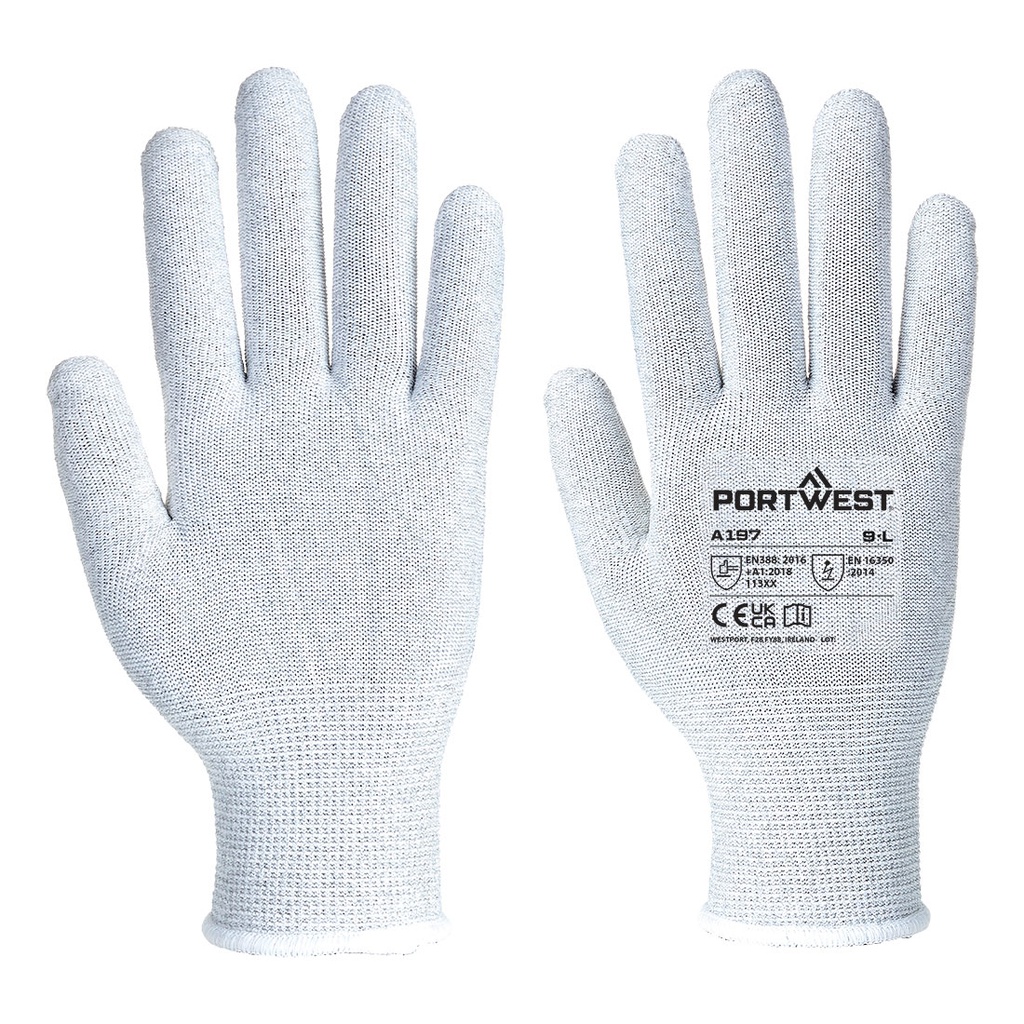
- Uncoated liner: to wear under other gloves or for visual inspections.
- Cut level B model: when also handling thin sheet metal or profiles.
Packs for the shop floor
Several models are available in packs of 12 pairs, convenient for frequent replacement on assembly lines. If there is a significant cut risk as well as static charges, consider cut-resistant gloves; for other uses go back to work gloves.
Domande frequenti
What is the difference between EN 16350 and EN 61340-5-1?
EN 16350 certifies the glove as antistatic PPE for the wearer; EN 61340-5-1 covers suitability for use in discharge-protected areas where sensitive electronic components are handled.
Do ESD gloves protect against electric shock?
No. They are dissipative, not insulating, gloves: for live working you need specific dielectric gloves.
Are fingertip-coated or palm-coated gloves better?
Fingertip-coated gloves let the hand breathe and are ideal for fine work; palm-coated gloves offer more grip and last longer when handling boards, trays or containers.
Are ESD gloves also sold in packs?
Yes, some models are available in packs of 12 pairs. The product page shows stock by size and, if the item is being restocked, the next arrival date.